A diVine Day
Châteauneuf-du-Pape, Tavel, Lirac
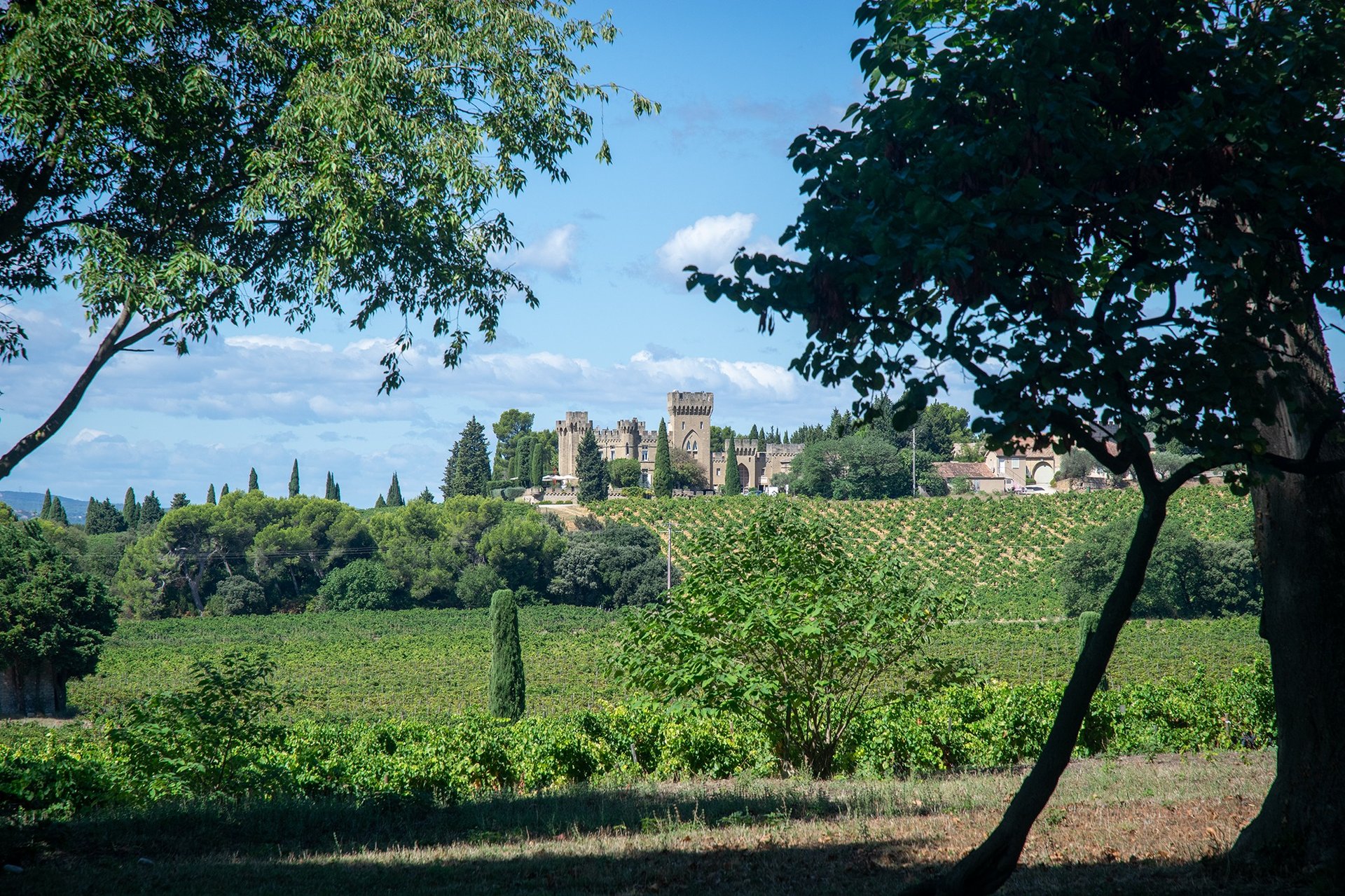
The wines of the Popes
Treat yourself to a day discovering the Wines of the Popes, a unique and exclusive wine tourism experience that will allow you to connect with a winemaking tradition renowned for centuries, enjoyed by kings, popes, knights and men of letters.
Our half-day or full-day tours will take you to the heart of the Southern Rhône wine region, exploring its three Crus: Châteauneuf-du-Pape, Lirac and Tavel. Thanks to the unique characteristics of these terroirs, and to the commitment, work and creativity of generations of vignerons and skilled winemakers, Châteauneuf-du-Pape, Lirac and Tavel have been — in the past as today — among the greatest expressions of French wine excellence.
The tours include visits and tastings at outstanding wineries carefully selected by our sommelier, accompanied by Federico, your guide, so that you can savour every glass in complete peace of mind. The itinerary is designed to let you enjoy the most beautiful panoramic views as well as the region’s must-see attractions.
4-hour private wine tour
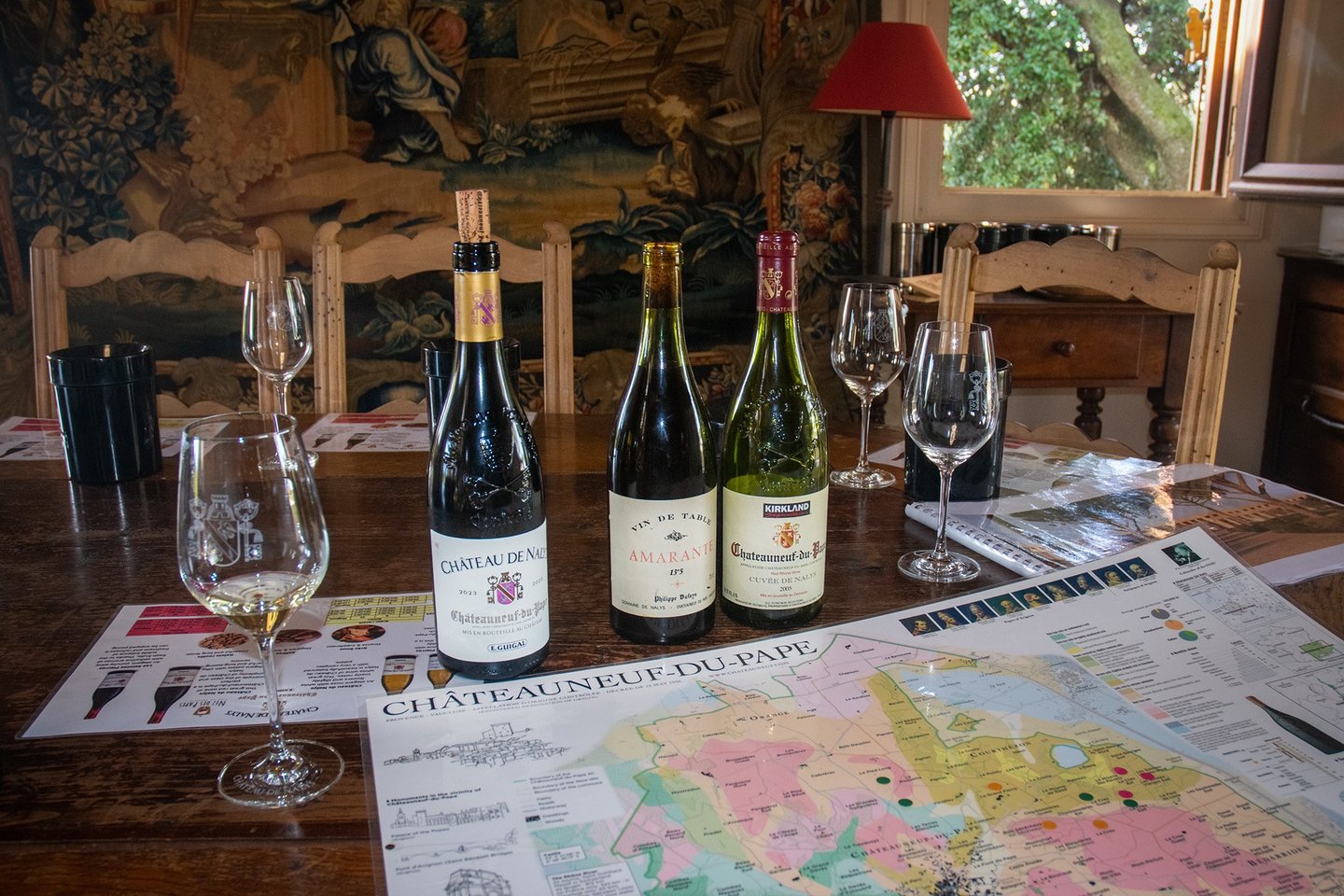
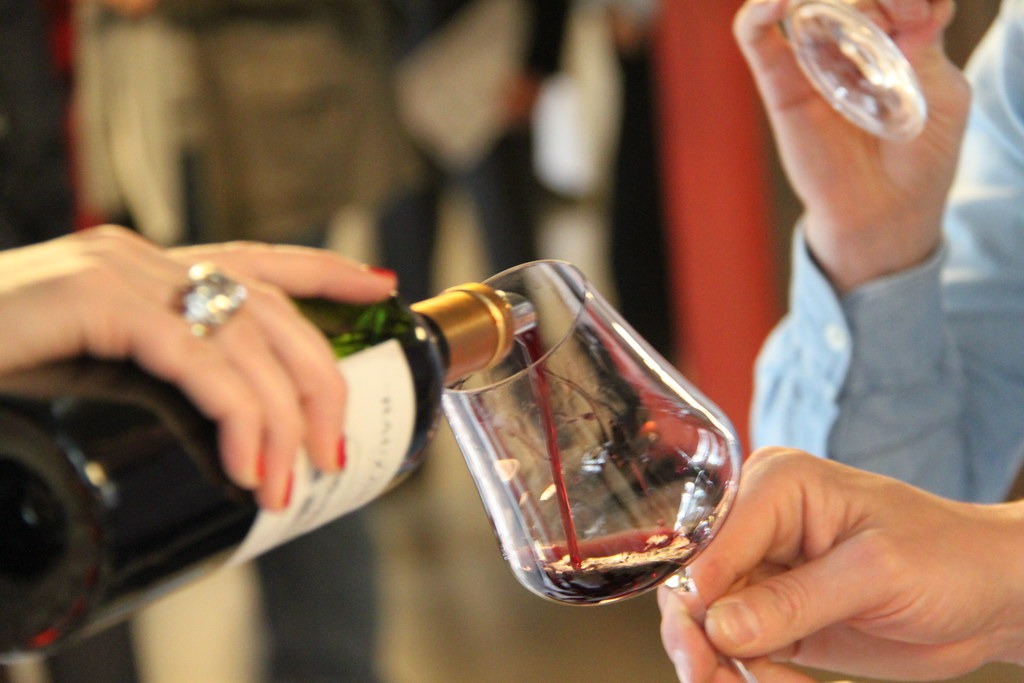
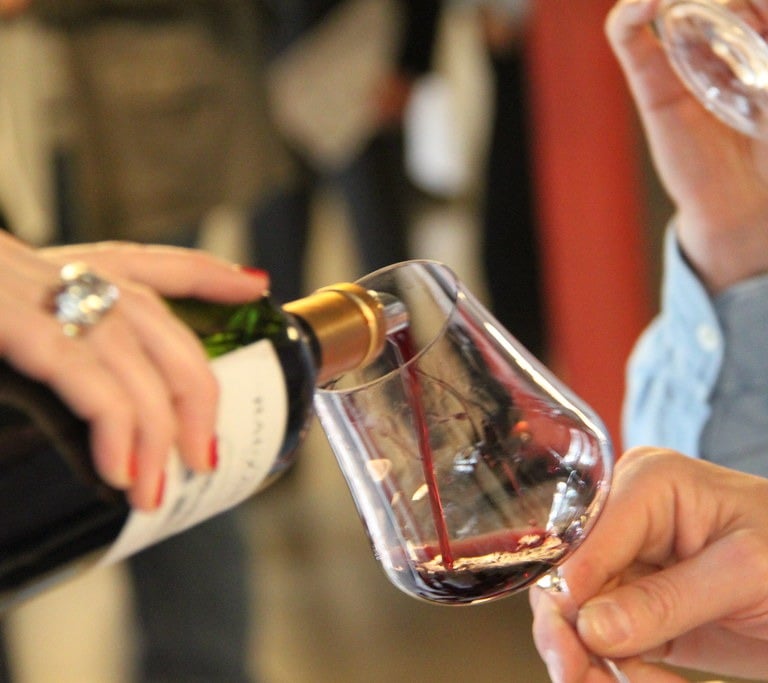
A morning or an afternoon dedicated to tasting. Châteauneuf-du-Pape or Tavel and Lirac: you choose the wines you wish to taste, and we will accompany you to two outstanding wineries selected by our sommelier.
The 4-hour tour includes:
Pick-up and drop-off at your hotel or preferred location*
Transportation included throughout the itinerary
English-speaking guide
Tasting at 2 selected wineries**
Scenic route through the most striking landscapes
1 person: €149
2 people: €99 / person
3 people: €69 / person
8-hour private wine tour
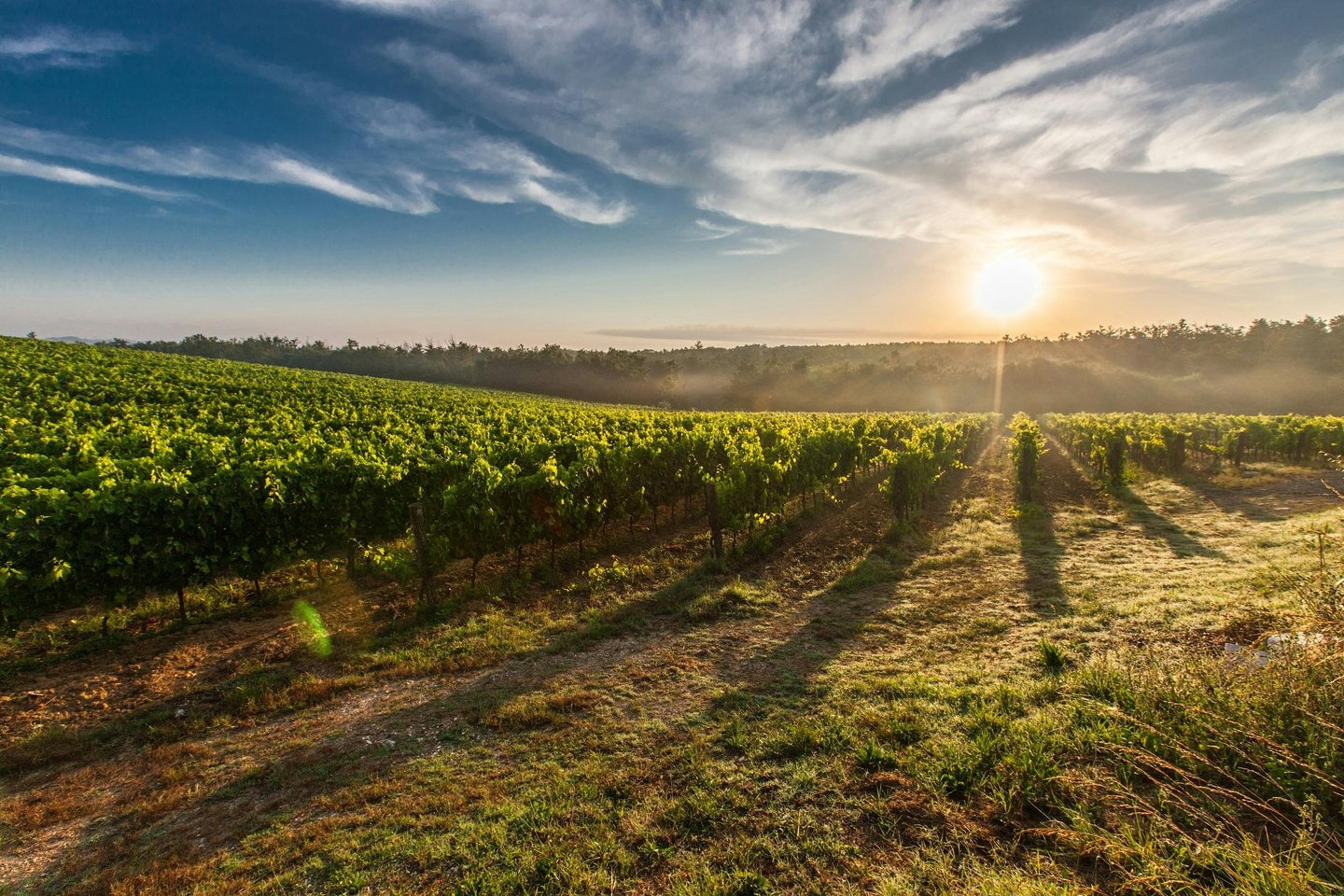
A full day dedicated to tasting Châteauneuf-du-Pape, Tavel and Lirac, with visits and tastings at outstanding wineries selected by our sommelier.
The 8-hour tour includes:
Pick-up and drop-off at your hotel or preferred location*
Transportation included throughout the itinerary
English-speaking guide
Tasting at 3 selected wineries**
Scenic itinerary with stops at major attractions
1 person: €199
2 people: €129 / person
3 people: €99 / person
*Pick-up / Drop-off
Pick-up and drop-off are available at your hotel/accommodation or at an agreed meeting point within the area between Avignon, Arles and the Alpilles Natural Park (Saint-Rémy-de-Provence, Les Baux-de-Provence, Eygalières, etc.). For special requests, please do not hesitate to contact us.
** Tastings
Visits include the wineries' regular tasting sessions, which may be shared with other visitors. The number of wines tasted, the duration of each tasting, and any waiting time may vary depending on the winery's activity on the day of your visit.
The Wineries
We offer a wide selection of wineries chosen by our certified sommelier. Depending on the season and availability, the tour stops will be defined among these estates.
Our philosophy is to present a range of wine estates capable of telling the story of the Southern Rhône Valley in all its nuances: from historic and renowned wineries, guardians of centuries-old traditions and key players thanks to their significant production, to small independent producers — authentic expressions of the terroir — who convey wine with passion, dedication and identity.
Regardless of their size, the estates you will visit stand out not only for the outstanding quality of their wines, but also for their commitment to keeping tradition alive while looking to the future, through constant attention to environmental protection.
Châteauneuf-du-Pape
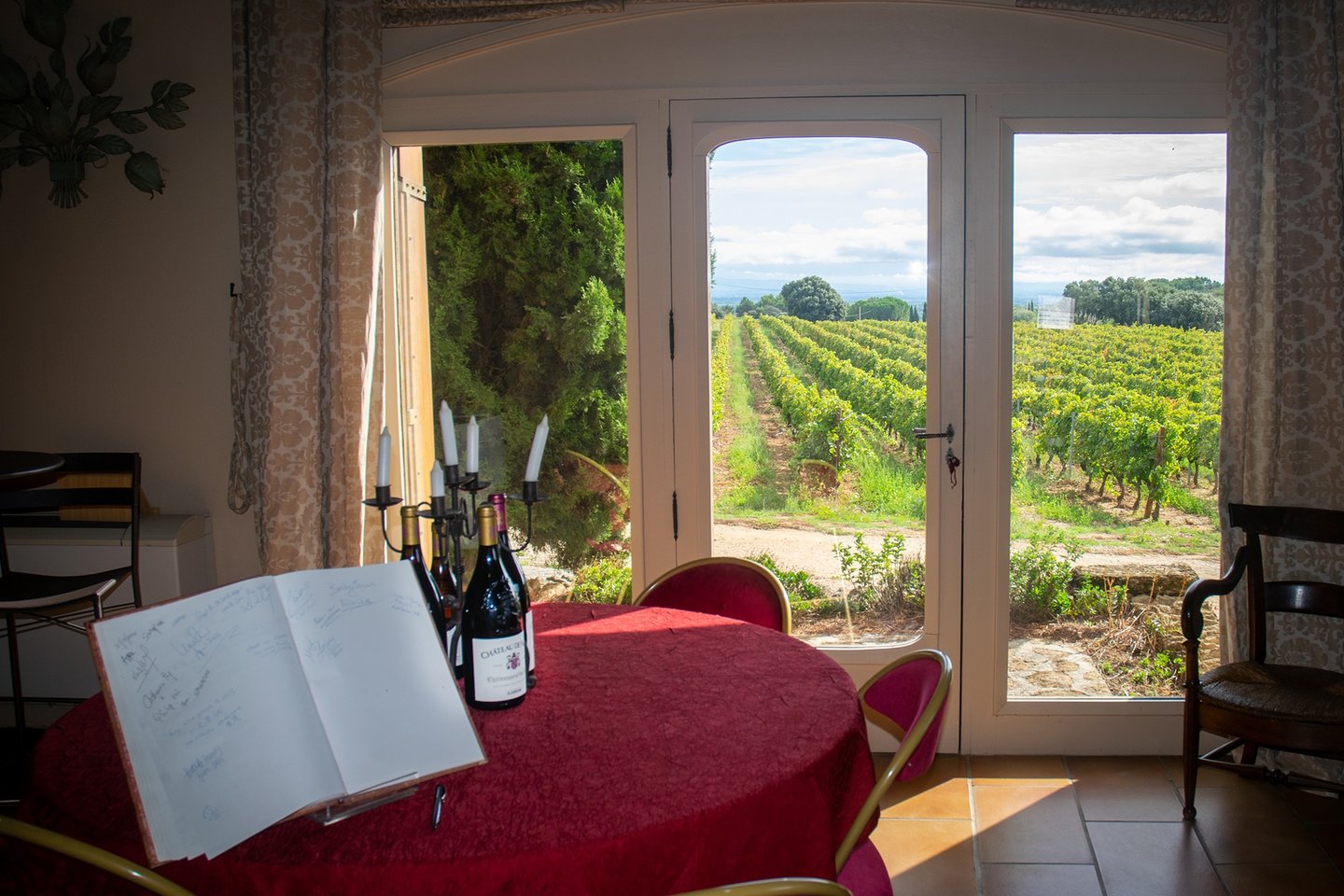
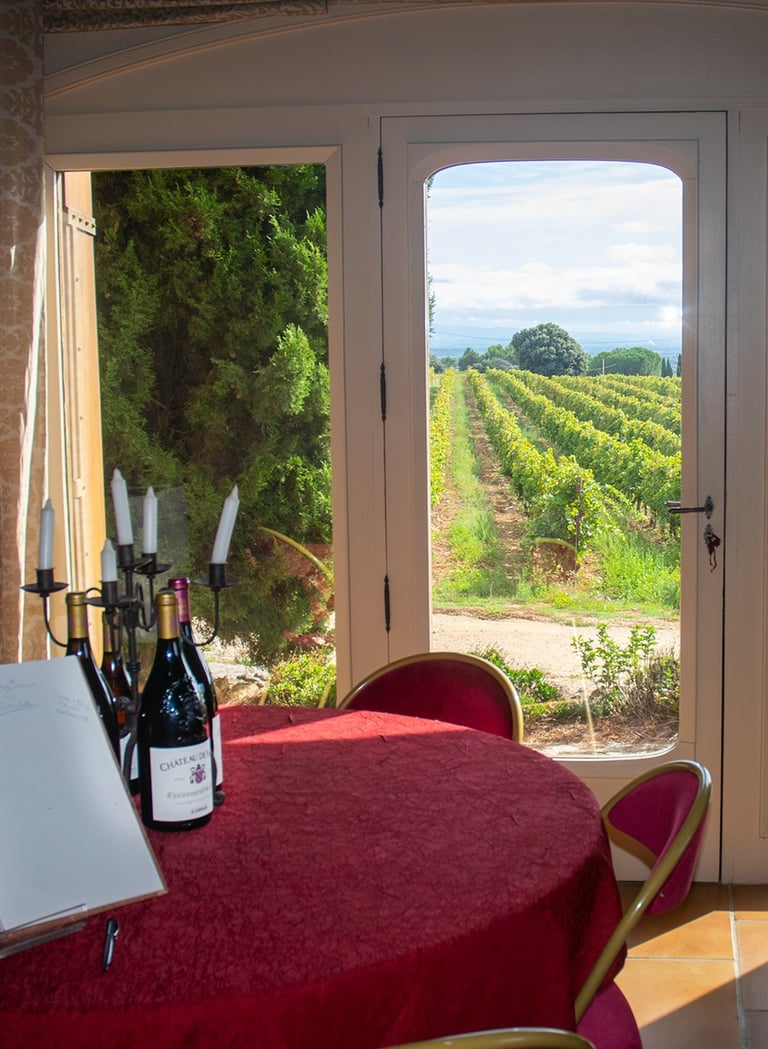
Dominated by the ruins of the ancient Papal Castle and bathed in the unique light of Provence, Châteauneuf-du-Pape is a small village overlooking the banks of the Rhône, renowned worldwide for its wines, featured on the wine lists of the finest restaurants and most prestigious hotels.
What is the secret of this land? How are such complex and elegant wines created? Did the Popes of Avignon have something to do with it?
When the Popes settled in Avignon, on the left bank of the Rhône, in the 14th century, the wines of the surrounding villages were already highly appreciated at the tables of those working at the castle. But it was under the pontificate of Pope John XXII that, in Châteauneuf-Calcernier, a palace was built to serve as the Papal summer residence.
This event led to the village being renamed Châteauneuf-du-Pape, and the wine produced there gained the status of “Wine of the Pope”, becoming known at the courts throughout Europe.
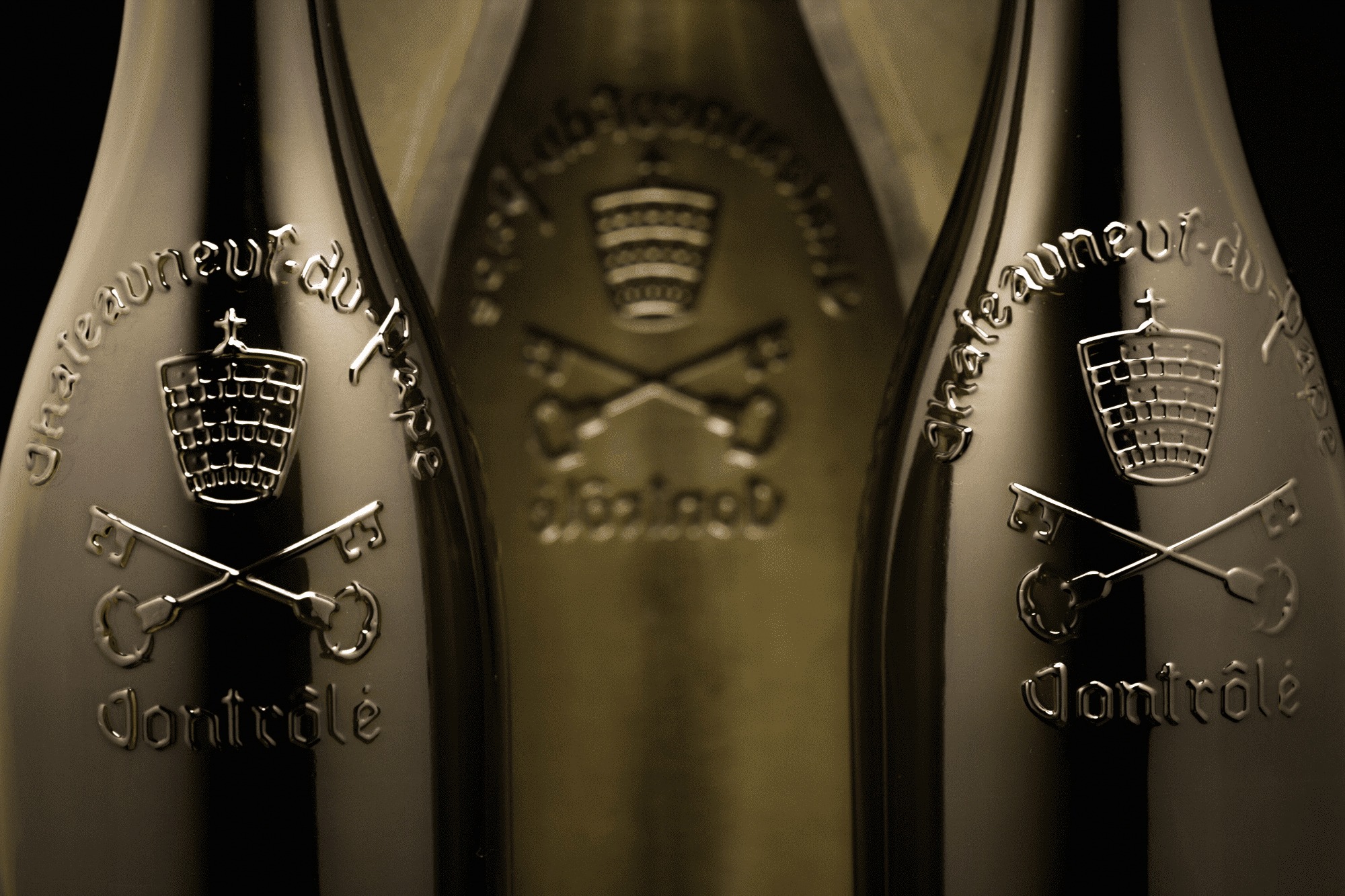
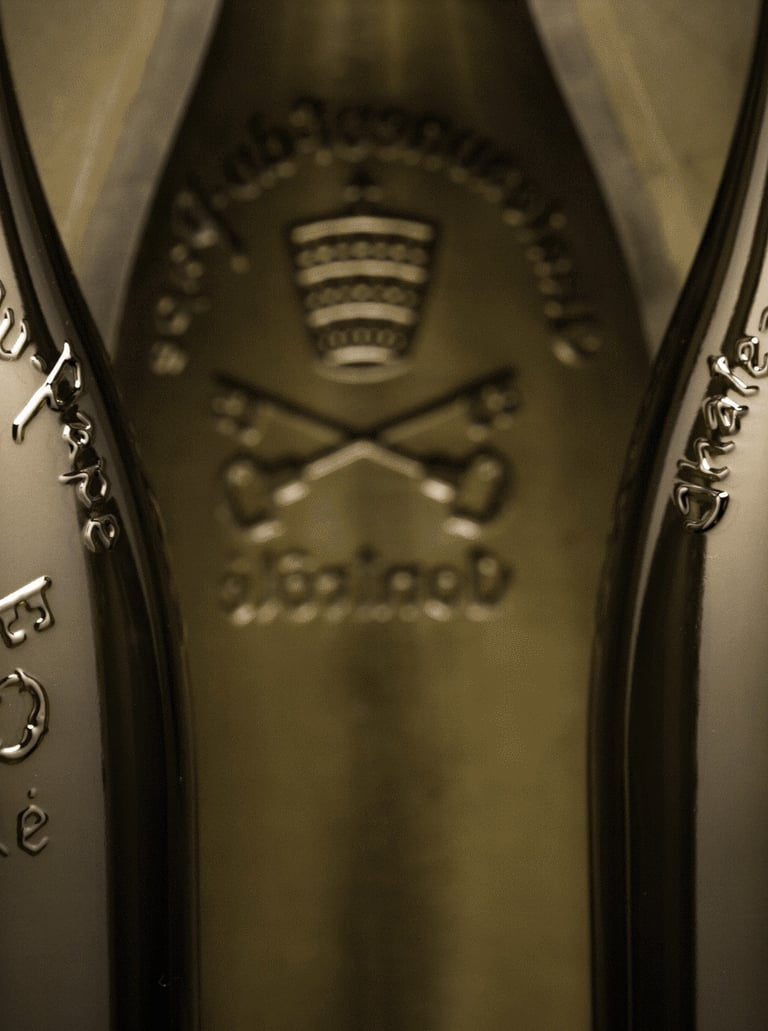
The famous embossed seal on the bottles, bearing the papal coat of arms and the keys of Saint Peter, was introduced only in 1937, symbolising the quality and authenticity of France’s first Appellation d’Origine Contrôlée, established in 1936.
It was Baron Le Roy of Château Fortia who defined the first rules for producing and marketing Châteauneuf-du-Pape — regulations that would later become a model for all subsequent appellations.
A Very Special Terroir
The secret of Châteauneuf-du-Pape lies in its land and in four key elements: soil, grape varieties, climate and people, with their traditions.
This is what the French call a Vin de Terroir — a wine that is a true expression of its land.
The uniqueness of Châteauneuf-du-Pape lies in the diversity of terroirs in which the 13 grape varieties authorised by the appellation are grown.
The Provençal climate is characterised by sunshine and fair weather for most of the year, warmth and maritime influence. A landscape that, in the collective imagination, resonates with the song of cicadas and is swept by the Mistral wind.
This typical Mediterranean climate encourages the growth of garrigue, the Provençal scrubland composed of low shrubs, pines and aromatic herbs.
The Mistral itself is one of the secrets behind the success of Provençal wines: a dry wind blowing from the north, preventing disease and humidity — the vine’s greatest enemies.
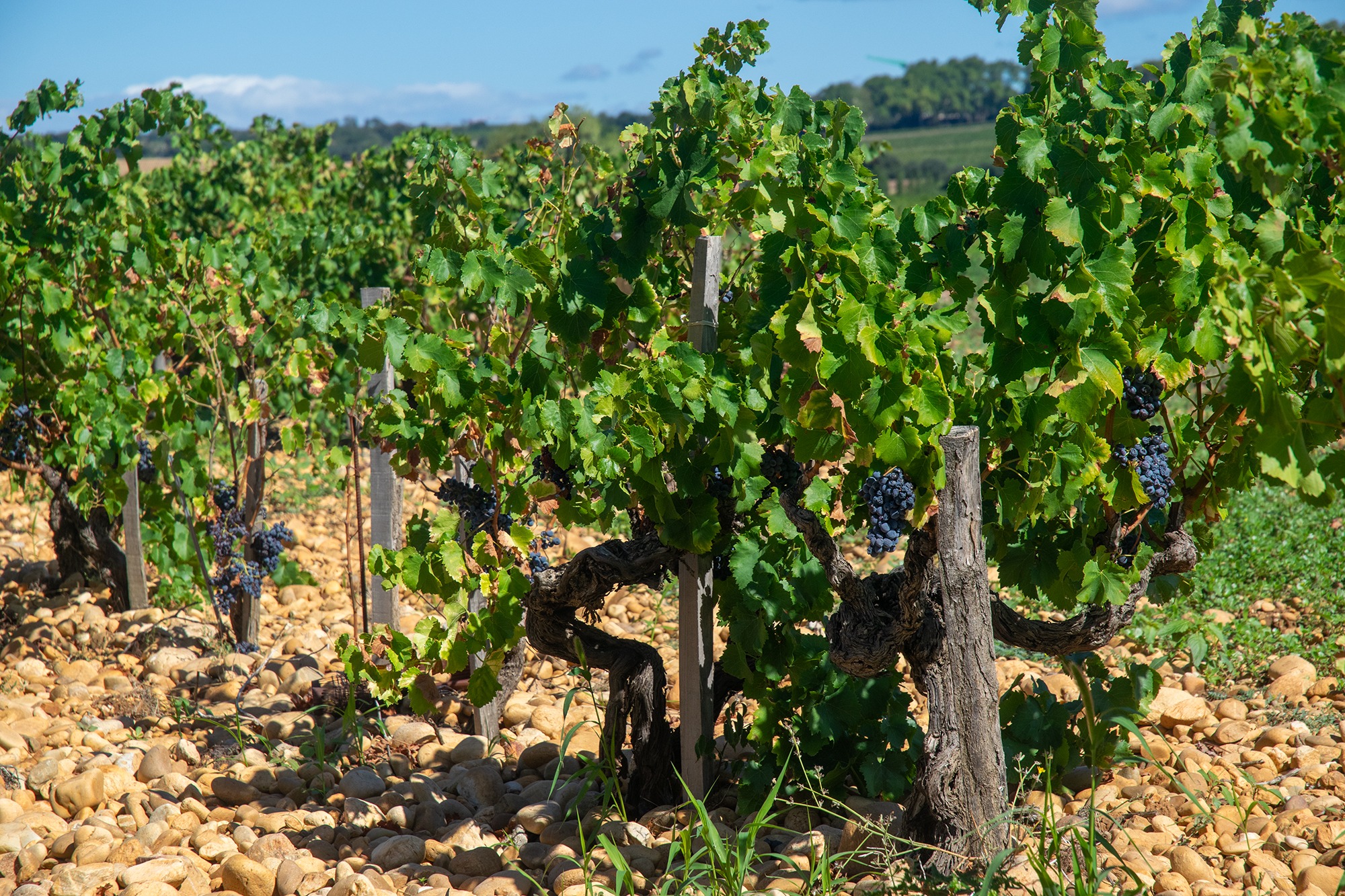
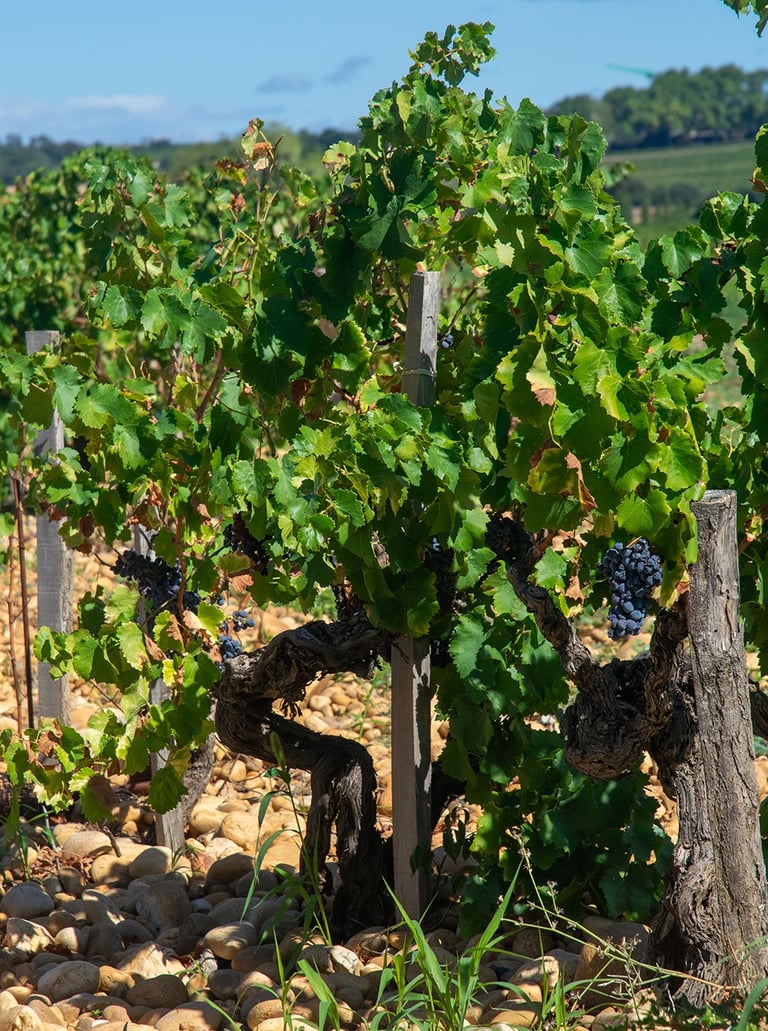
Another strength of the terroir is the soil, composed of clay-sandy layers and the famous galets roulés: pebbles of quartzite and sandy red clay, rounded by time and dating back to the Pleistocene. These stones form the “floor” of the bush-trained vineyards, storing the sun’s heat during the day and releasing it at night.
A Symphony of Grape Varieties
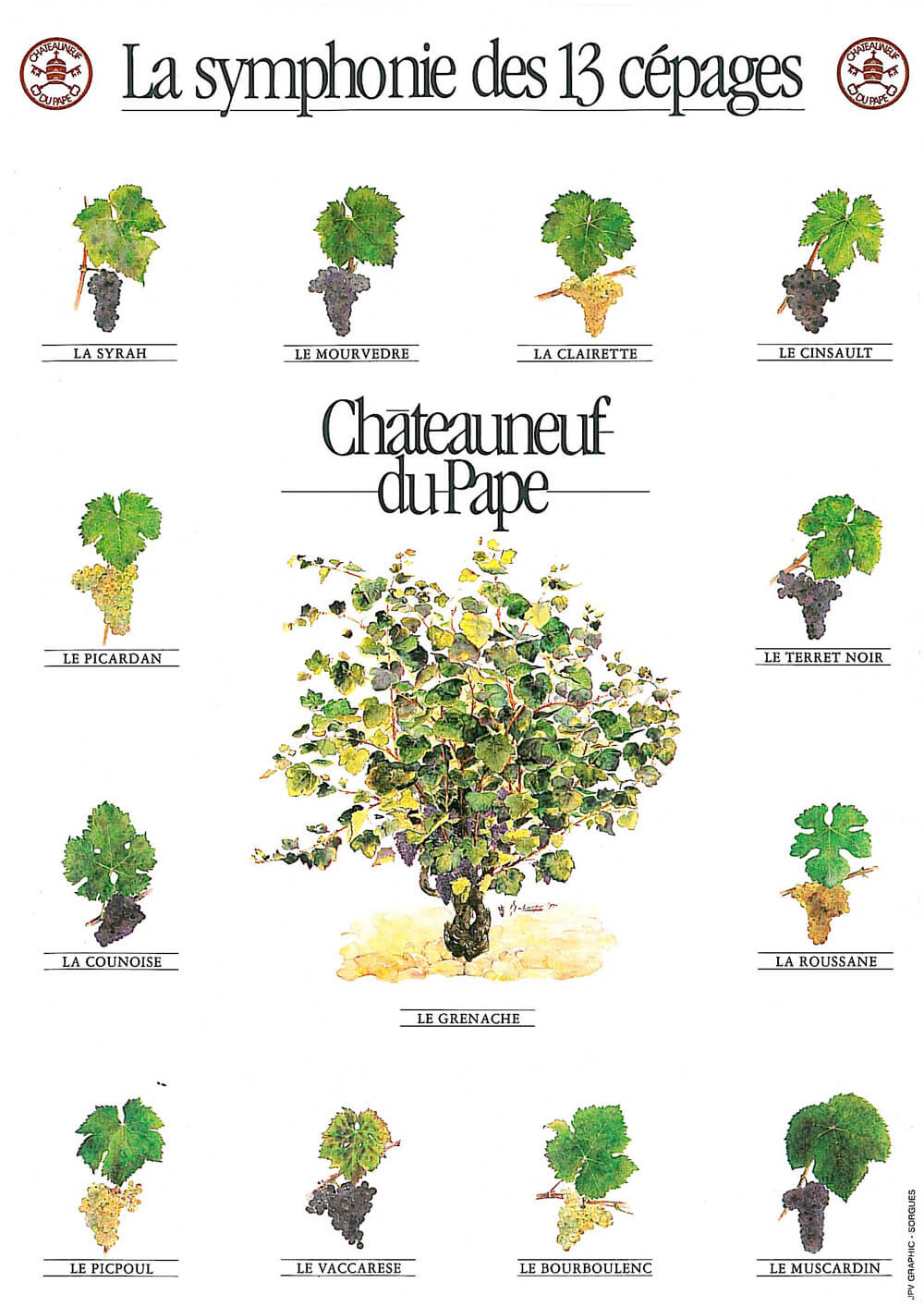
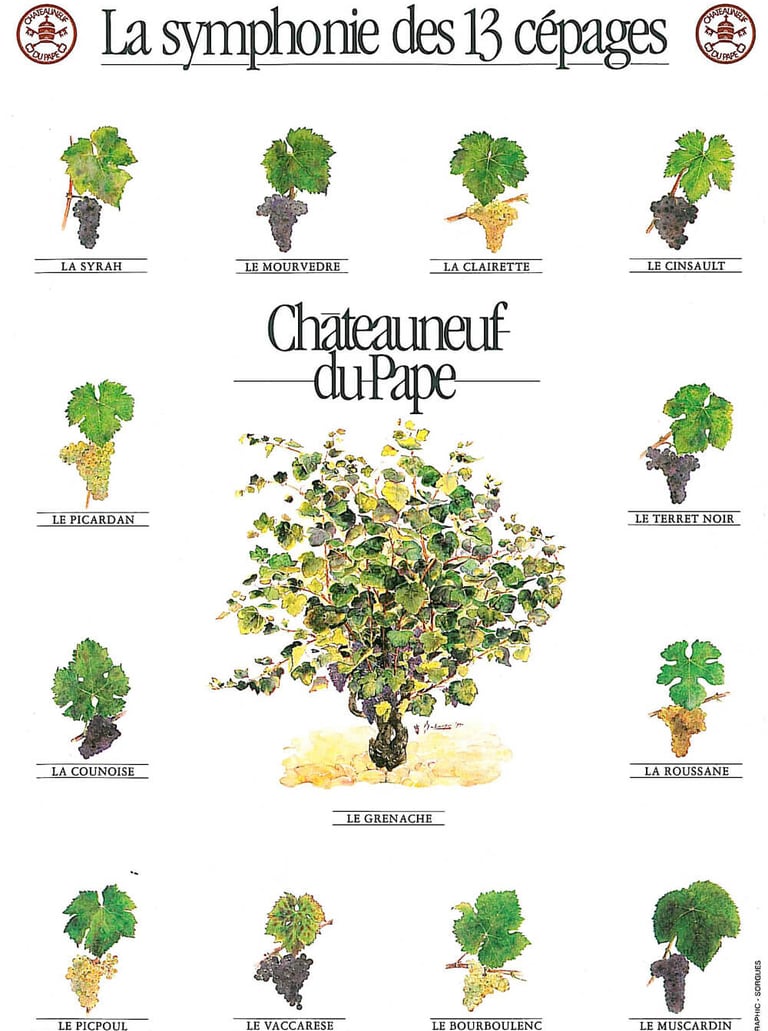
All of this, without human creativity, would not be enough to produce a great wine. The many winemaking families of Châteauneuf-du-Pape, deeply rooted in the land and fiercely protective of their traditions, have for centuries produced wine using the practice of blending. A complex working method poetically known as the symphonie des 13 cépages — the “symphony of the 13 grape varieties”.
The vines grow on different soils, in separate parcels, each hosting a single grape variety.
The grapes are harvested and vinified separately. In the end, it is the trusted winemaker and a small group of family members who decide the alchemy of the blend and the proportions of the various cuvées, giving elegance, strength and balance to the final wine.
Each wine thus becomes the unique and special result of a complex and majestic alchemy, rooted in centuries of experimentation and experience — an alchemy capable of captivating the Popes of Avignon and reaching us today in wines that are unique in the world for their quality, history and prestige.
These very wines will be the protagonists of our wine tour.
Grape varieties authorised by the appellation include both red and white grapes:
Red: Grenache Noir, Syrah, Mourvèdre, Cinsault, Counoise, Muscardin, Vaccarèse, Terret Noir
White: Picardan, Picpoul, Clairette, Bourboulenc, Roussanne
Grenache is almost always the undisputed queen, flanked by her loyal companions Mourvèdre and Syrah, with the other varieties — like a noble court — adding subtle and precious nuances.
Tavel, the First Rosé of France
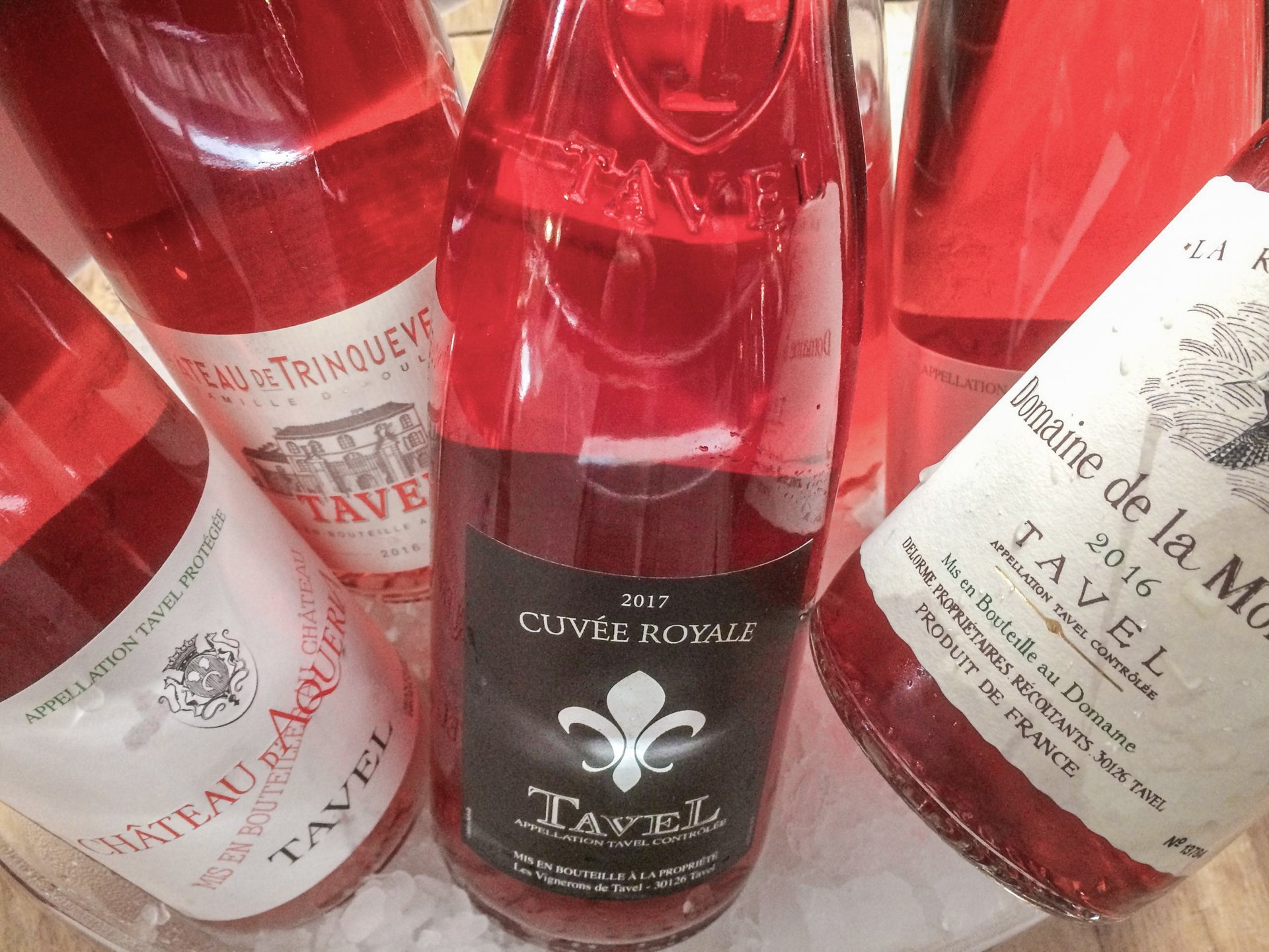
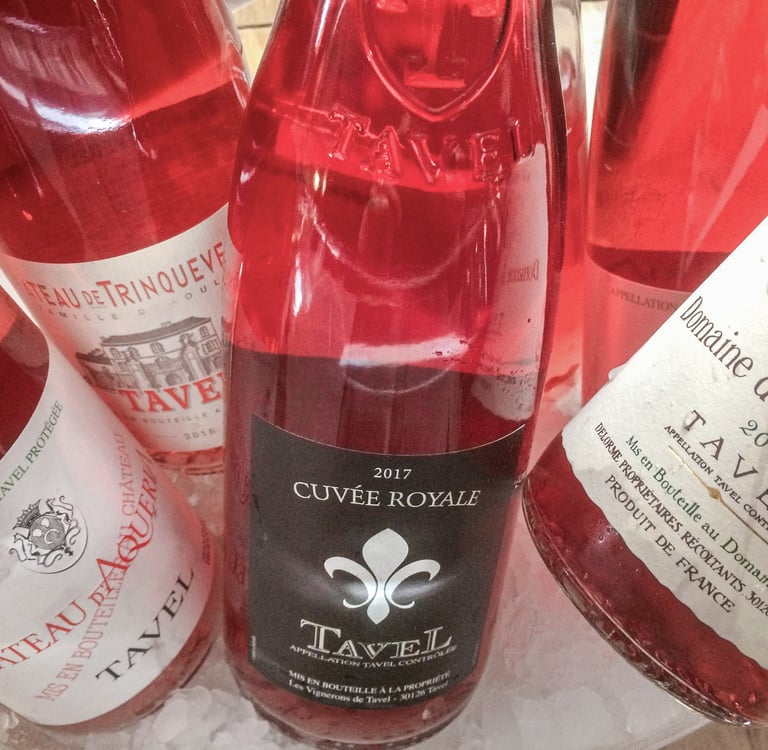
Among rosé wines — the pride of the Provençal region — those of Tavel are undoubtedly among the most famous and awarded, both in France and internationally.
Tavel is an Appellation d’Origine Contrôlée established in 1936, shortly after the introduction of the regulatory system, and holds among its many distinctions that of being France’s first recognised rosé.
Produced in the communes of Tavel and Roquemaure, in the Gard department on the right bank of the Rhône, Tavel wines are exclusively rosé, yet very different from the typical Provençal rosés.
Tavel is a wine of character: its intense raspberry-pink colour sets it apart from the paler hues of other regional rosés.
Its red-style vinification, which gives it an almost tannic structure, brings a bold and assertive presence to the table — as if challenging its illustrious neighbour Châteauneuf-du-Pape, with which it shares the embossed seal, a mark of quality and territorial identity.
Historically too, Tavel has held its own alongside the great papal wines: it was the preferred rosé of King Philip the Fair, the “Sun King” Louis XIV, and the writer Honoré de Balzac.
Authorised grape varieties: Grenache Noir, Grenache Blanc, Cinsault Noir, Syrah, Clairette Blanche, Clairette Rosé, Picpoul Blanc, Calitor Noir, Bourboulenc Blanc, Mourvèdre, Carignan Noir.
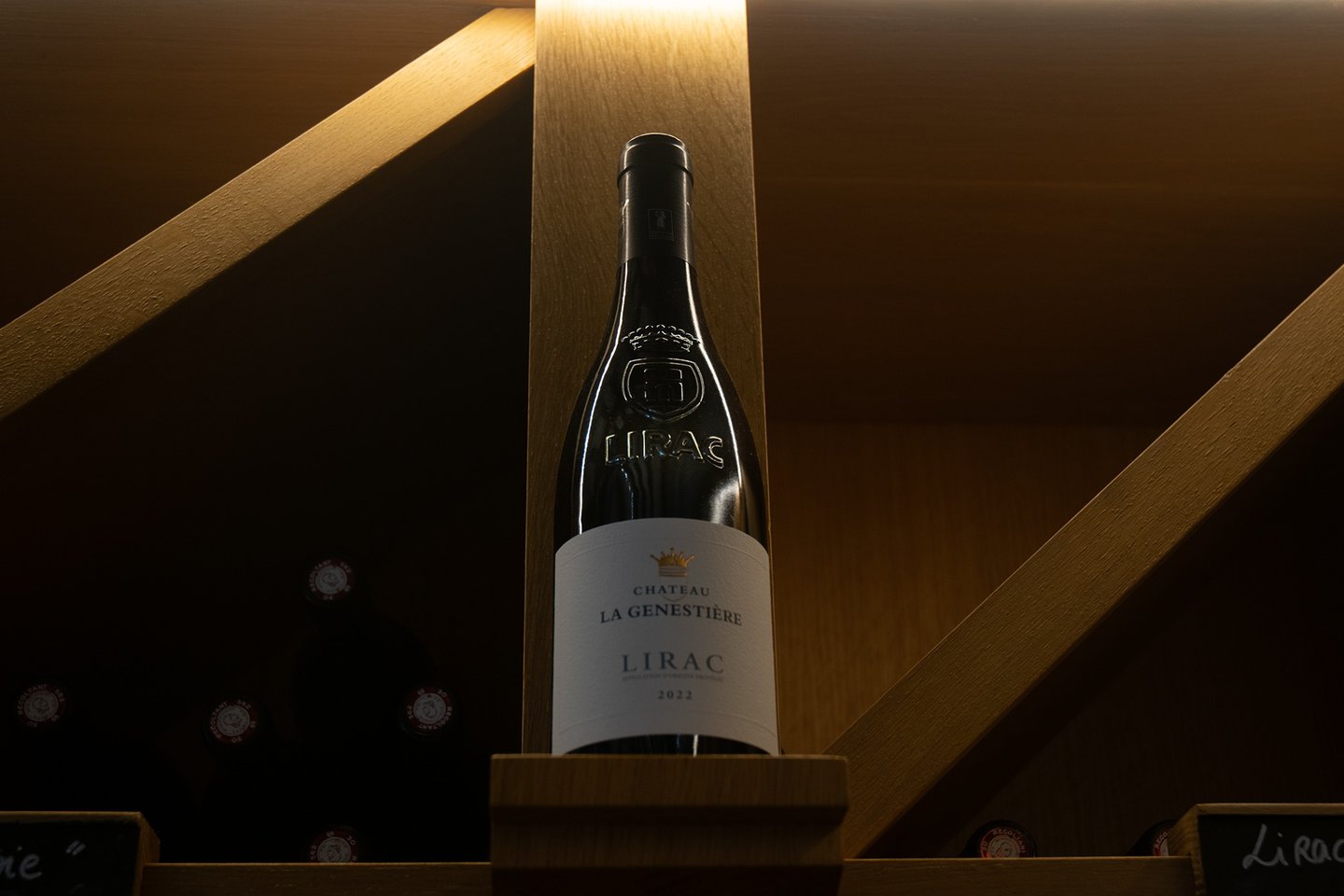
Lirac, the Hidden Gem
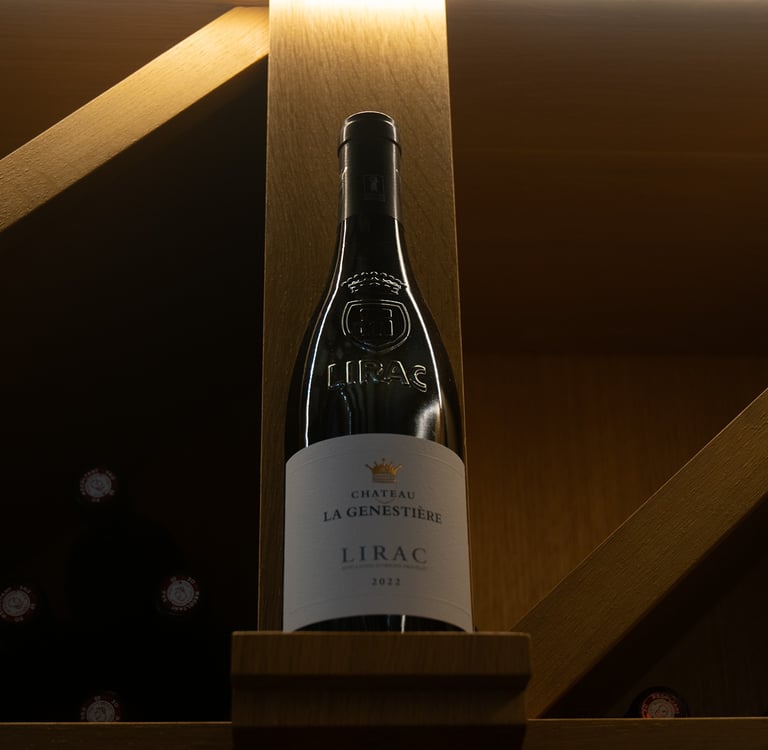
The Lirac appellation extends over the finest soils of four communes in the Gard, also on the right bank of the Rhône, and is expressed in three styles: White, Rosé and Red.
The difference between Lirac Red and its far more famous neighbour across the river lies in the more recent recognition of the appellation (1947) and in differing conditions of water, wind and temperature, even though the soils on both banks of the Rhône remain very similar.
Water availability depends on rainfall and humidity carried by the Rhône; temperature on vineyard exposure and soil heat. Finally, wind affects vine transpiration: the more exposed the vineyards are to the strong, dry Mistral, the greater the concentration of minerality in the soil.
While lacking the fame and prestige of Châteauneuf-du-Pape, Lirac wines are fresh, enjoyable and highly drinkable: full-bodied yet not heavy, refined and with a well-defined personality.
If Châteauneuf-du-Pape is the undisputed King of the Southern Rhône, and Tavel the Queen of Rosé, Lirac appears as a hidden nugget, an unexpected surprise, the ugly duckling with all the qualities to become a magnificent swan.
Authorised grape varieties:
Reds: Grenache Noir, Syrah, Cinsault, Mourvèdre
Whites: Grenache Blanc, Clairette, Roussanne
The Wineries
We offer a wide selection of wineries chosen by our certified sommelier. Depending on the season and availability, the tour stops will be defined among these estates.
Our philosophy is to present a range of wine estates capable of telling the story of the Southern Rhône Valley in all its nuances: from historic and renowned wineries, guardians of centuries-old traditions and key players thanks to their significant production, to small independent producers — authentic expressions of the terroir — who convey wine with passion, dedication and identity.
Regardless of their size, the estates you will visit stand out not only for the outstanding quality of their wines, but also for their commitment to keeping tradition alive while looking to the future, through constant attention to environmental protection.
Château Aqueira
Domaine de la Mordorée
Domaine Maby
Vieux Télégraphe
Château de la Nerthe
Domaine de la Janasse
Bastide Saint Dominique
Château de Nalys
Domaine Lafond&Fils
Château de Manissy
Prieuré de Montézargues
Vignobles Alain Jaume
Mas de Boislauzon
Château Fortia
L’Oratoire des Papes
Le Clos du Caillou
Domaine de Panisse
Domaine de la Confidence
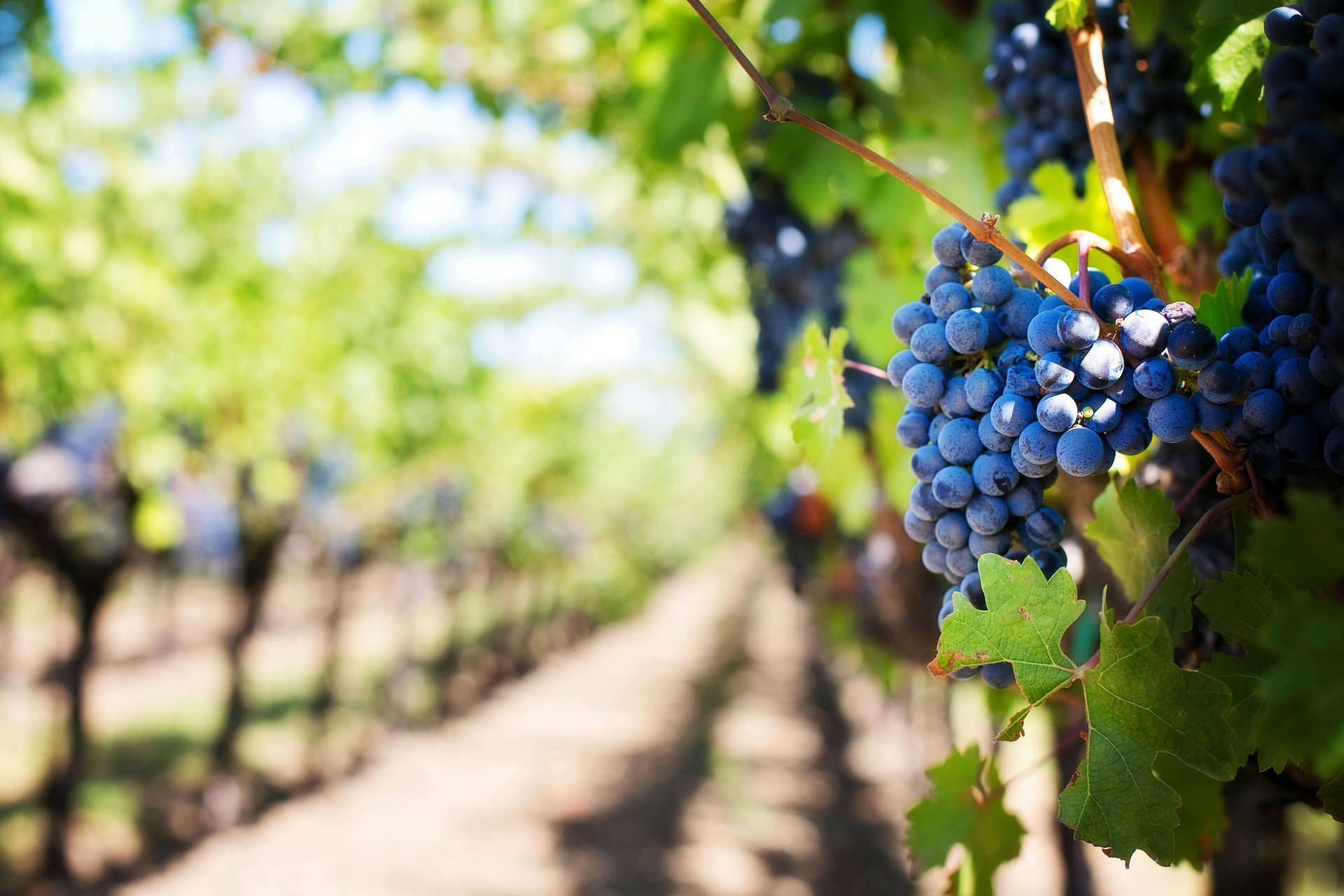
And where there is no wine there is no love,
nor do mortals have any other delight.
Euripides
Contact
© 2026. All rights reserved.
Vintage Provence
118 Chemin des Fourches, Arles 13200 France
Phone: +33 06 03 84 97 22
Email: info@vintageprovence.com